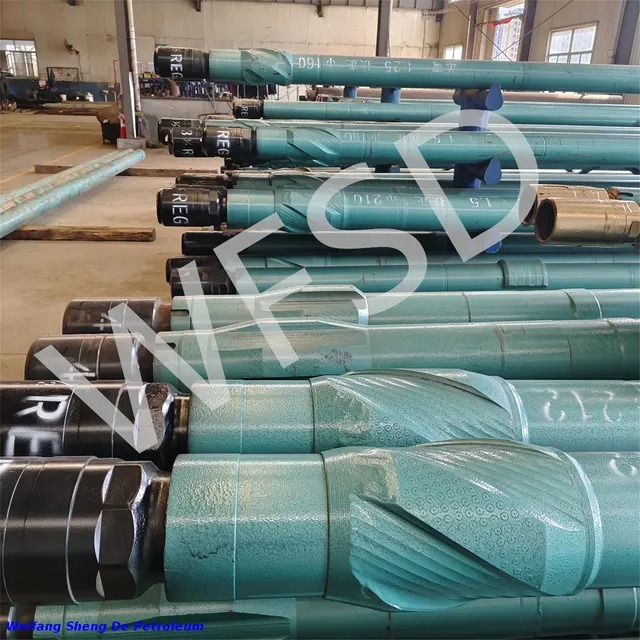
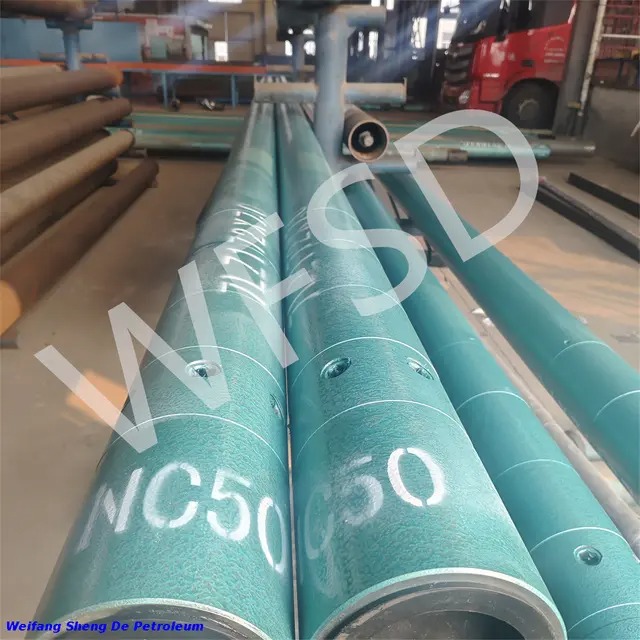
In modern directional drilling, efficiency and precision are paramount. At the core of this process lies the mud motor, a mechanical powerhouse that converts hydraulic energy into rotational motion, enabling drill bits to navigate complex subsurface formations. These specialized devices are engineered for high torque output, durability, and adaptability in heavy duty operations, making them indispensable in oil and gas extraction. Understanding the intricacies of mud motor stators allows engineers to optimize drilling performance, reduce downtime, and enhance operational safety. This article provides a deep dive into the components, functions, and applications of mud motor stators, offering practical insights for maximizing directional drilling efficiency.
The Heart of Directional Drilling: Understanding the Mud Motor
At its core, a mud motor consists of a rotor and stator assembly that translates fluid power into mechanical rotation. The stator, typically made from elastomer-lined steel, dictates the motor's torque characteristics and operational efficiency. In professional applications, proper stator selection ensures consistent performance across varying formation types and drilling conditions. Key aspects include:
High torque capability for navigating hard rock formations
Compatibility with positive displacement designs
Resistance to wear under high pressure and flow rates
A thorough understanding of these parameters allows drilling engineers to tailor the mud motor to specific well trajectories, minimizing tool failure and maximizing penetration rates. The integration of stator-specific enhancements, such as advanced elastomers or high-precision machining, further ensures longevity and consistent performance in challenging environments.

The Evolution of High Torque Mud Motors
The development of high torque mud motors has been driven by the need for more efficient and precise directional drilling. Early designs relied on basic positive displacement mechanisms, which, while functional, lacked the refined control needed for modern complex wells. Advancements include:
Optimized rotor-stator geometry for increased torque density
High-quality elastomer materials for improved wear resistance
Adaptation to high-pressure, high-flow hydraulic systems
Modern mud motor stators balance torque and speed, allowing operators to maintain optimal drill bit performance even in demanding subsurface formations. This evolution highlights the significance of precision engineering in achieving both high torque output and reliability.
Professional Positive Displacement Mud Motors: Design and Functionality
Positive displacement mud motors are a mainstay in directional drilling due to their ability to provide consistent rotation independent of surface RPM. The stator plays a pivotal role in this design:
Controls flow-induced rotation
Ensures uniform torque distribution
Supports high-performance drilling in variable lithologies
Advanced professional mud motor stators incorporate features such as dual-layer elastomers and reinforced steel backing, improving operational life and resistance to erosion. Proper alignment and maintenance of these components directly affect drilling precision, torque stability, and overall efficiency.
Optimizing Performance in Heavy Duty Oil and Gas Applications
In heavy duty oil and gas drilling, efficiency gains can translate into substantial cost savings. Mud motor stators are optimized to endure extreme downhole conditions:
High wear resistance against abrasive formations
Enhanced thermal stability for high-temperature reservoirs
Customizable rotor-stator configurations to maximize penetration
Operators can improve drilling efficiency by selecting the right mud motor for the expected formation, flow rate, and pressure conditions, while balancing torque and speed to achieve a smooth, controlled drilling operation.
Overcoming Challenges: High Temperature and Wear Resistance
One of the most critical challenges for mud motor stators is enduring high temperature and erosive environments. Innovations addressing these challenges include:
Use of high-temperature elastomers for stator linings
Reinforced rotor geometries to reduce fatigue
Specialized coatings to minimize abrasive wear
These design enhancements allow mud motors to sustain performance in long lateral wells or geothermal applications where conventional motors would fail. Proactive monitoring and timely stator replacement are essential strategies for mitigating downtime and ensuring continuous drilling operations.

Real-Time Monitoring and Efficiency Enhancements
The integration of digital technology has revolutionized mud motor performance monitoring. Real-time sensors allow operators to:
Track torque, RPM, and flow rate
Detect early signs of stator wear
Adjust hydraulic parameters for optimal efficiency
By combining mud motor design with real-time analytics, operators can achieve higher penetration rates, reduce non-productive time, and enhance wellbore accuracy. This data-driven approach ensures that both rotor and stator function harmoniously under varying conditions.
Comparative Table: Mud Motor Variants and Their Key Advantages
| Mud Motor Type | Key Features | Ideal Applications | Advantages |
| High Torque Mud Motor | Optimized rotor-stator geometry | Hard rock drilling | Increased penetration, stable torque |
| Positive Displacement Mud Motor | Consistent rotation, uniform torque | Directional drilling | Precision, reliability |
| Heavy Duty Mud Motor | Reinforced stator and rotor | Oil & gas wells | Durability, long lifespan |
| High Temperature Mud Motor | Heat-resistant elastomers | Geothermal or deep wells | Thermal stability, reduced wear |
Conclusion
The mud motor is the unsung hero of directional drilling. Its stator and rotor components work in tandem to provide high torque, precise rotation, and reliability in professional oil and gas operations. By understanding design principles, material innovations, and real-time monitoring techniques, engineers can optimize drilling performance, reduce downtime, and achieve operational excellence. Whether navigating abrasive formations or high-temperature reservoirs, a well-selected mud motor stator is central to sustained efficiency and success.
FAQ
Q1: What is the main function of a Mud Motor Stator?
A: The stator converts hydraulic energy into rotational motion while maintaining torque stability and supporting consistent drill bit performance.
Q2: How do high torque Mud Motors improve drilling efficiency?
A: High torque designs provide sufficient rotational force to penetrate hard formations, reducing time and increasing overall operational efficiency.
Q3: Can Mud Motors operate in high-temperature wells?
A: Yes, high-temperature variants use specialized elastomers and reinforced designs to maintain performance in extreme conditions.
Q4: What is the difference between positive displacement and conventional Mud Motors?
A: Positive displacement motors provide consistent rotation regardless of surface RPM, making them ideal for precision directional drilling.
Q5: How does real-time monitoring enhance Mud Motor performance?
A: Sensors track torque, RPM, and flow, enabling adjustments that optimize efficiency, detect wear early, and prevent failures.