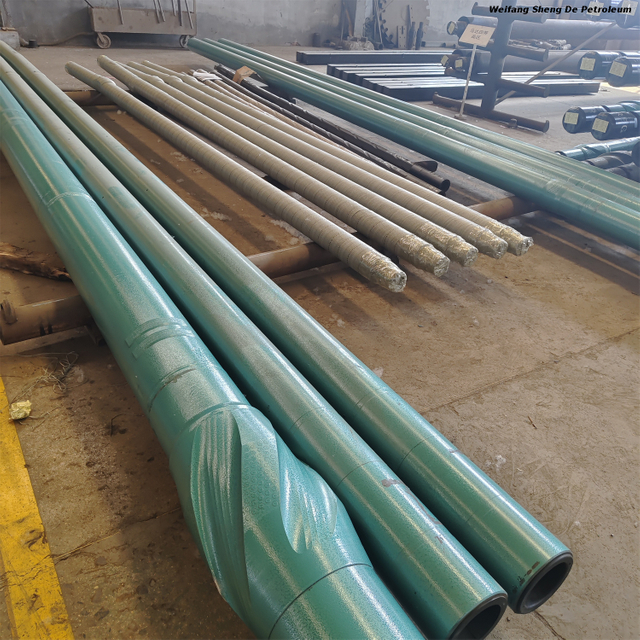
In the oil and gas industry, operational efficiency and safety are critical. Fishing in oil and gas plays a pivotal role in maintaining these standards by addressing unexpected obstacles that can disrupt drilling activities. Lost or stuck equipment in a wellbore, commonly referred to as a "fish," can lead to costly delays, equipment damage, and safety hazards if not properly managed. This article explores the importance of fishing in oil and gas, examining how professional fishing methods, strategic planning, and technological innovations contribute to safer, more productive drilling operations.
The Critical Role of Fishing in Oil and Gas Operations
Fishing in oil and gas is essential for minimizing downtime and preventing catastrophic failures. A fishing operation involves recovering lost or stuck tools, drill strings, or other equipment from a wellbore, ensuring that drilling operations can continue safely.
The presence of a fish in a well can significantly impact productivity. Stuck or lost equipment can prevent access to deeper formations, compromise well integrity, and increase operational costs. Beyond the immediate financial impact, delays caused by fishing operations can affect project timelines and contractual obligations.
Additionally, oil and gas fishing in drilling operations ensures safety compliance. Loose or broken equipment poses serious hazards, including uncontrolled pressure releases and mechanical failures. By prioritizing fishing procedures, operators can mitigate these risks and maintain a secure drilling environment.
Professional fishing operations are carefully planned to address each type of fish, using a combination of specialized tools and techniques. This makes fishing in oil and gas not merely a remedial task but a proactive strategy for operational resilience.
Common Types of Fish and Their Impact on Drilling
Understanding the types of fish is crucial to effective downhole fishing in oil and gas solutions. Fish can be broadly categorized into:
| Type of Fish | Causes | Potential Impact on Operations |
| Stuck Pipe | Mechanical sticking, differential sticking, key seating, solids accumulation | Halts drilling, may require complex extraction methods |
| Parted Pipe | Metal fatigue, twist-off, washout, cyclic stress failure | Leads to sudden downtime, requires specialized cutting or milling tools |
| Junk | Dropped tools, bit cones, tong dies | Causes irregular torque, prevents smooth drilling, may sometimes be bypassed |
| Wireline Tools & Cables | Accidental loss during logging or surveying | Can obstruct drilling or logging operations if not promptly retrieved |
Each type of fish presents unique challenges. For instance, a twist-off pipe may have jagged edges that complicate engagement with fishing tools, while junk may be small enough to either bypass or grind away. Efficiently diagnosing the type of fish and choosing the right strategy is critical for successful recovery.
Professional Fishing in Oil and Gas Techniques
Effective professional fishing in oil and gas relies on a combination of pulling, milling, or cutting methods. The choice of technique depends on the type, location, and condition of the fish:
Pulling: Engaging the fish with specialized overshots, spears, or magnets to extract it intact.
Milling: Grinding down stuck pipe or junk to allow removal or bypassing of the obstruction.
Cutting: Severing the pipe or tool at a strategic point to facilitate retrieval.
Advanced techniques, such as through-tubing or coiled tubing fishing, are increasingly applied to challenging downhole scenarios. These methods allow operators to reach confined areas while minimizing the risk of further damage.
Incorporating these approaches into oil and gas fishing in drilling operations ensures minimal disruption, protects well integrity, and maximizes operational efficiency.
Planning and Preparation for Effective Fishing Operations
Thorough preparation is key to reducing the duration and complexity of a fishing operation. Essential steps include:
Maintaining accurate equipment records, including pipe specifications, tool dimensions, and assembly plans.
Assessing rig capabilities, ensuring maximum pull strength and safety margins are understood.
Having all fishing tools and personnel ready in advance to prevent delays.
Well-planned onshore fishing in oil and gas operations rely on pre-emptive strategies to prevent equipment loss, while contingency plans ensure rapid recovery if a fish occurs. Adequate preparation minimizes downtime and improves the likelihood of a successful operation.
Onshore vs. Deepwater Fishing in Oil and Gas
Fishing operations vary significantly between onshore and deepwater environments:
Onshore fishing is typically more accessible, allowing quick deployment of tools and personnel. Operators can rely on a variety of mechanical and hydraulic fishing techniques with lower logistical constraints.
Deepwater fishing poses additional challenges due to extreme water depth, high pressure, and limited accessibility. Equipment must be specifically designed for subsea conditions, and operations often rely on remotely operated vehicles (ROVs) and advanced telemetry systems.
Despite these differences, the core principles of fishing in oil and gas—safety, efficiency, and precision—remain consistent across environments.
Risk Management and Cost Implications
Unplanned fishing operations can have a substantial financial impact. Lost time, equipment damage, and deferred production all contribute to escalating costs. Implementing robust downhole fishing in oil and gas solutions helps mitigate these risks by:
Reducing the likelihood of prolonged downtime
Avoiding unnecessary abandonment of wells
Minimizing damage to wellbore structures
Risk assessment should include evaluating the probability of fish occurrence, potential operational consequences, and cost-benefit analyses of fishing vs. alternative strategies. Efficient risk management directly contributes to the overall profitability of drilling operations.
Innovations and Technology in Downhole Fishing Solutions
Technological advancements have transformed deepwater fishing in oil and gas operations. Key innovations include:
Real-time monitoring systems to detect fish incidents early
High-strength, precision fishing tools designed for complex geometries
Automation and robotics for subsea operations, improving safety and reducing manual intervention
By leveraging these technologies, operators enhance the success rate of fishing operations while minimizing operational disruption and risk exposure.
Conclusion
Fishing in oil and gas is not merely a reactive procedure; it is a critical component of operational strategy. By understanding the types of fish, applying professional techniques, and preparing thoroughly, operators can maintain drilling efficiency, ensure safety, and control costs. Advances in technology continue to elevate the effectiveness of fishing operations, reinforcing its importance across both onshore and deepwater environments.
FAQ
Q1: What is a "fish" in oil and gas?
A fish is any object lost or stuck in a wellbore that disrupts drilling operations.
Q2: Why is professional fishing important?
Professional fishing ensures efficient recovery, minimizes downtime, and prevents safety hazards.
Q3: What are the main fishing techniques?
The primary methods are pulling, milling, and cutting, often complemented by advanced through-tubing or coiled tubing methods.
Q4: How does deepwater fishing differ from onshore?
Deepwater fishing faces challenges such as high pressure, limited accessibility, and reliance on subsea technology and ROVs.
Q5: Can fishing operations be prevented?
While planning and best practices reduce risk, contingency plans are always necessary to address unexpected fish incidents.