Tandem bearings are a critical component in the bearing section of many mud motors (downhole motors / screw drilling tools). Their primary job is to support high axial loads while allowing stable rotation, helping the motor deliver torque to the drive shaft and ultimately to the bit with reduced friction and wear.
This article explains what a tandem bearing is, how it works, and where it typically fits inside a downhole motor assembly—plus a practical checklist for engineers and procurement teams sourcing tandem bearings for mud motor service.
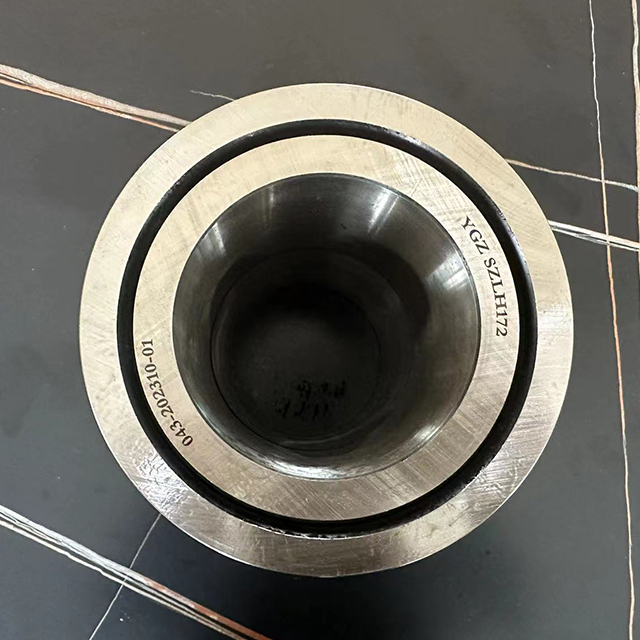
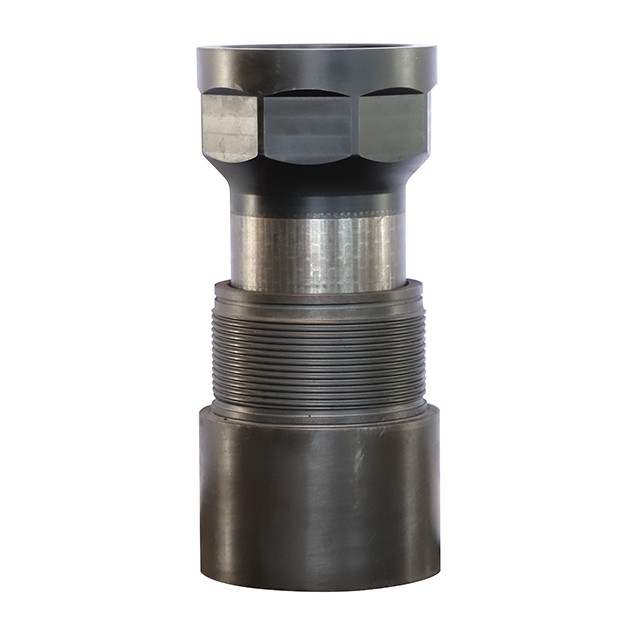
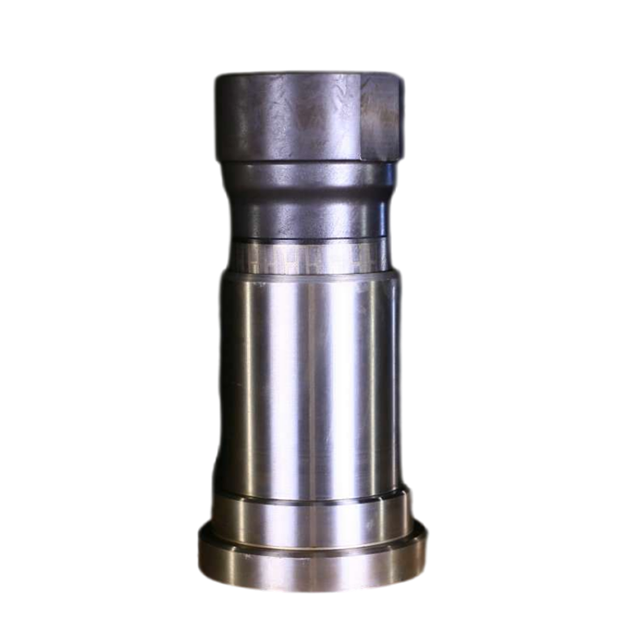
Looking for a tandem bearing for a specific motor size? See our Tandem Bearing for 172mm Mud Motor (55SiMoVA, steel ball ϕ20.88\phi 20.88ϕ20.88 mm, 18 balls; custom sizes available).
What Is a Tandem Bearing (in Mud Motor Terms)?
A tandem bearing is a bearing arrangement that uses two or more rows of rolling elements aligned in the same direction so the load can be carried effectively under high axial (thrust) loading. In downhole drilling, axial loads can be substantial due to drilling parameters and bit interaction with the formation.
Compared with single-row arrangements, a tandem configuration is commonly chosen when the goal is to:
Handle heavier axial loads
Improve stability during rotation
Support reliable operation in demanding environments (shock, vibration, mud exposure)
In short: in a mud motor, tandem bearings are primarily about axial load capability and dependable rotational support.
Where Tandem Bearings Fit in a Downhole Motor Assembly
While exact designs vary by manufacturer and motor series, tandem bearings are typically installed in the bearing section and mounted on the drive shaft.
A simplified view of how components relate can look like this:
Power section generates rotational energy
Rotation and load transfer through the drive shaft
Bearing section supports loads (especially axial loads) and maintains stability
Output continues to the bit connection and the bit
In many mud motor assemblies, tandem bearings help support the drive shaft and manage the axial forces that occur during drilling. In practical terms, they are part of the “load-handling backbone” of the motor.
What Tandem Bearings Do in Mud Motors
1) Axial Load Support and Axial Transmission
One of the most important roles of tandem bearings is supporting axial load and enabling axial load transmission through the bearing section.
In drilling operations, axial force can come from factors such as:
A tandem bearing arrangement is designed to carry these axial loads more effectively than a simple single-row configuration.
2) Reducing Friction and Wear
Tandem bearings rely on rolling elements (for example, steel balls) running between inner and outer rings (races). Rolling motion generally creates less friction than sliding contact, which helps:
Reducing friction is especially valuable in mud motor applications, where components may operate for long intervals under continuous rotation.
3) Improving Operational Efficiency and Running Stability
A properly specified and manufactured tandem bearing can improve mechanical efficiency and help reduce unwanted noise and vibration (as seen through tool behavior and surface indications). In a downhole motor, stable rotation and controlled vibration are important for:
Maintaining consistent drilling performance
Protecting related components in the bearing section and drive train
Supporting more predictable service life
How a Tandem Bearing Works
At its core, the working principle is straightforward:
The rolling elements roll between the inner ring and outer ring
These components “support each other” mechanically to carry load while enabling rotation
The bearing is mounted on the drive shaft, supporting rotating parts while maintaining the desired load path through the assembly
How the Load Is Carried
When axial load is applied, it transfers through the assembly into the bearing. The rolling elements distribute that load across the raceways. A tandem configuration—with multiple rows aligned in the same direction—helps share the axial load so that no single row is forced to carry the entire burden alone.
How Torque Continues Through the Assembly
The drive shaft transmits torque from the motor’s power section toward the bit. The bearing’s job is not to “create” torque, but to support the rotating shaft under load so torque can be delivered reliably and efficiently with controlled friction.
What Changes in Harsh Downhole Conditions
Downhole environments often include:
Drilling mud exposure (abrasive solids, chemical components)
Temperature variation (including high-temperature service in some wells)
Shock loading and vibration
Long operating hours with limited access for maintenance
Because of these factors, mud motor tandem bearings must be specified and sourced with attention to material quality, dimensional accuracy, and consistency of manufacturing processes.
Key Specification Elements to Confirm When Sourcing Tandem Bearings
Even when two parts are both called “tandem bearings,” they may not be interchangeable. For mud motor use, buyers typically confirm four areas: material, rolling element details, dimensions, and configuration options.
1) Material (Example: 55SiMoVA)
Material selection affects strength and durability. For example, one common option is 55SiMoVA, chosen in many applications for its balance of strength and performance potential when processed correctly.
When you request a quote, it’s good practice to confirm:
Material grade and traceability
Quality system practices (e.g., ISO 9001 frameworks)
Any inspection expectations your project requires
2) Rolling Elements: Ball Size and Ball Count
Rolling elements strongly influence load capacity and service behavior. As an example specification used in a 172mm mud motor tandem bearing:
In general terms, rolling element geometry and quantity affect:
3) Dimensions: OD/ID and Fit With the Assembly
Mud motor components must fit precisely within the motor’s bearing section and on the drive shaft. For a 172mm mud motor tandem bearing example, you may see ranges such as:
Because actual assemblies vary, custom sizing is often required. In procurement terms, “customization” usually means aligning OD/ID, stack height, and tolerance requirements with your motor design and matching components.
4) Configuration Options (Columns 9–12)
Some tandem bearing designs include configuration options—for instance:
Configuration affects how load is distributed and how the bearing package fits within the available space. When discussing customization, provide your assembly constraints so the supplier can recommend an appropriate configuration.
Keeping Applications Relevant: Mud Motors First
Tandem bearings are used in many fields where axial loads are high, but for this article the key point is their role in:
If your procurement team is sourcing specifically for mud motor service, prioritize suppliers that can speak directly to downhole requirements and provide consistent, traceable manufacturing quality.
Practical Sourcing Checklist
To speed up quoting and reduce back-and-forth, prepare the information below before you contact a supplier:
Mud motor size/series (e.g., 172mm) and any drawing references
Required OD/ID, stack height, and key tolerance/fit notes
Expected axial load conditions (or provide drilling parameters such as WOB and RPM ranges)
Mud environment notes (mud type, solids content assumptions, temperature range)
Target service expectation (run time, interval, reliability goal)
Quality expectations (inspection items, documentation, any certification requirements)
Commercial requirements (MOQ expectations, lead time, packaging, shipping destination)
If you can share your motor size and required OD/ID, suppliers can typically confirm feasibility quickly and recommend a suitable tandem bearing specification.
FAQ
1) What is a tandem bearing?
A tandem bearing is a bearing arrangement with two or more rows of rolling elements in the same direction, designed to accommodate high axial loads.
2) Why are tandem bearings used in mud motors?
Mud motors operate under substantial axial load and continuous rotation. Tandem bearings help support axial forces, reduce friction, and improve running stability in the bearing section.
3) Can tandem bearing dimensions be customized for my mud motor?
Yes. For mud motor assemblies, OD/ID and other key dimensions are often customized to match the specific motor design and fit requirements.
4) What information is needed to quote a tandem bearing for a 172mm motor?
At minimum: motor size (172mm), required OD/ID (and tolerances), expected load conditions, operating environment notes (mud and temperature), and any documentation/inspection needs.
5) Do you have a quality/certification system?
Many manufacturers operate under quality management systems (often including standards such as ISO 9001) to support consistent production and inspection. Confirm the exact documentation requirements during inquiry.
Conclusion: What to Remember
In a downhole motor, tandem bearings are primarily about axial load capability, stable rotation, and reliable operation under demanding drilling conditions. They are typically mounted on the drive shaft in the bearing section, helping the motor run efficiently while supporting thrust loads during drilling.
If you’re sourcing a tandem bearing for mud motor service—especially a 172mm mud motor—confirm key specifications (material, ball size/count, OD/ID, configuration options) and share your assembly requirements to ensure correct fit and performance.