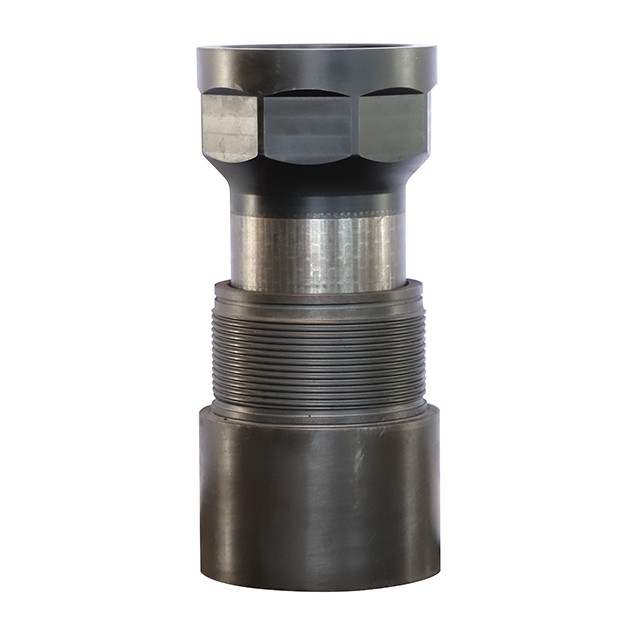
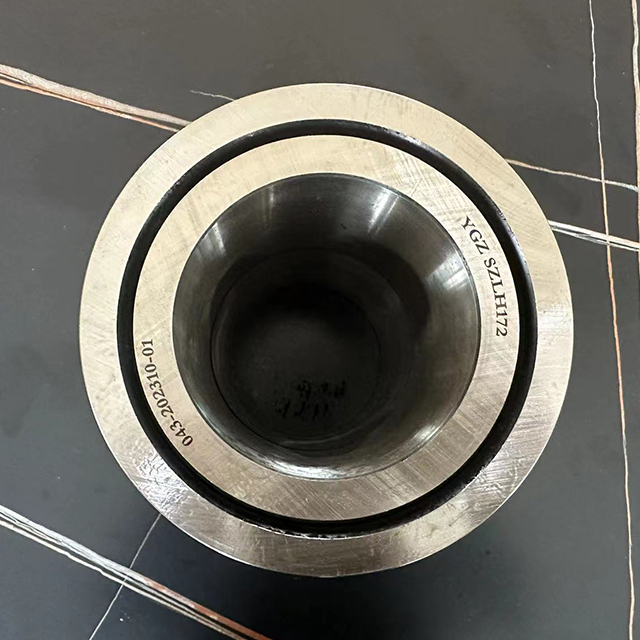
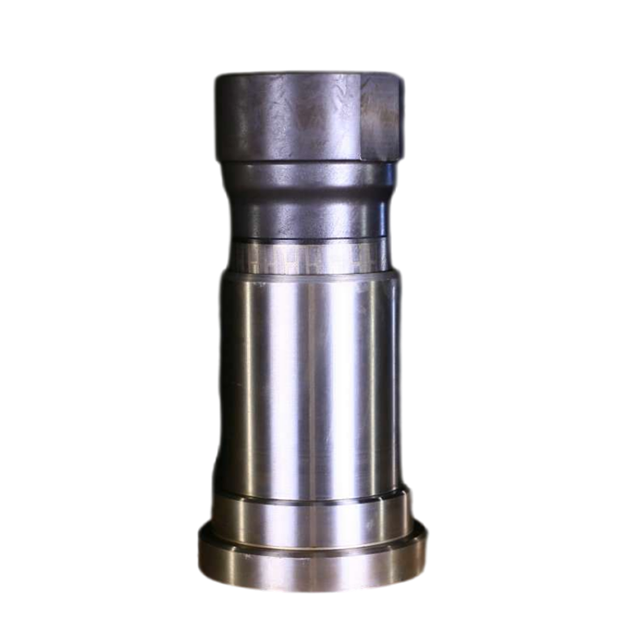
A mud motor (downhole motor / screw drilling tool) lives in a harsh environment: high load, continuous rotation, shock and vibration, and drilling mud carrying abrasive solids. Inside the bearing section, two components are especially important to reliability and run life:
the tandem bearing (primarily managing axial/thrust load), and
the TC radial bearing (primarily managing radial/side load and shaft guidance).
They do different jobs, but they fail together more often than most teams expect. This article explains each bearing's role, the most common field failure symptoms, and why treating them as a paired system leads to more stable drilling and fewer repeat failures.
1) Why Compare These Two Bearings?
In many mud motor designs, the bearing section must control two dominant load directions:
Axial (thrust) loads: driven by WOB (weight on bit) and axial drilling dynamics
Radial (side) loads: driven by trajectory, doglegs, bit/formation interaction, and vibration such as whirl
A tandem bearing and a TC radial bearing typically address these two load types. If either one degrades, it often increases the stress on the other—so troubleshooting and sourcing should consider both.
2) Where They Fit in a Mud Motor
Exact layouts vary by OEM and motor series, but the overall load path is similar:
Power section → drive shaft → bearing section → bit
Within the bearing section:
Thrust/axial load needs a bearing arrangement capable of carrying heavy axial force while allowing rotation (often a tandem bearing arrangement).
Radial load needs a bearing solution that controls side forces and keeps the shaft properly guided (often a TC radial bearing in downhole service).
The key point: the tandem bearing and radial bearing do not operate independently. They share alignment, clearances, and the same downhole environment.
3) Tandem Bearing: Role, What It Protects, and What It Needs
Primary role: thrust (axial) load support
A tandem bearing arrangement is designed to carry high axial loads while maintaining stable rotation. In practical terms, it helps the mud motor:
hold WOB more consistently
reduce friction under thrust loading
protect the drive shaft/bearing section from rapid thrust-related wear
Typical selection levers (172mm reference)
For a 172mm mud motor, tandem bearing sourcing frequently involves matching both design intent and packaging constraints. A commonly referenced set of parameters includes:
Material option: 55SiMoVA
Steel ball size: ϕ20.88\phi 20.88ϕ20.88 mm
Ball count: 18
Reference dimensions:
OD: ϕ130\phi 130ϕ130–ϕ135\phi 135ϕ135 mm
ID: ϕ90\phi 90ϕ90–ϕ95\phi 95ϕ95 mm
Configuration options: columns 9–12 (depending on design)
Because bearing sections differ, these values should be treated as reference points, not guaranteed drop-in replacements.
Common tandem bearing failure modes (high level)
During teardown, thrust-bearing issues often show up as:
fatigue damage (pitting/spalling on raceways)
impact marks (brinelling-type indentations from shock loading)
wear from contamination (accelerated surface damage due to solids)
overheating signs (discoloration or abnormal wear patterns)
4) TC Radial Bearing: Role, What It Protects, and Why It Matters
Primary role: radial (side) load support and shaft guidance
A TC radial bearing primarily addresses radial forces and helps keep the shaft properly guided. In a mud motor, good radial control is critical because excessive side motion can lead to:
shaft orbit/whirl
housing rub and accelerated wear
unstable drilling behavior
uneven loading on the thrust bearing stack
What TC radial bearings are designed to resist
Without getting into proprietary details, TC radial bearings are commonly chosen in downhole tools because they are built to tolerate:
abrasion from mud solids
side loads that change with trajectory and formation
wear under vibration and intermittent contact conditions
High WOB spikes and axial shocks increase thrust-bearing stress.
High side loads from trajectory and bit behavior increase radial-bearing stress.
2) Abrasive contamination
Mud solids can accelerate wear dramatically—especially on radial components and contact surfaces—leading to clearance growth and secondary instability.
3) Misalignment, tolerance stack-up, and assembly errors
Even a correct part can fail if:
OD/ID fits are wrong
stack height is mismatched
concentricity/runout is uncontrolled
mating components are worn but reused
This is why custom dimensions must be verified via drawings and inspection methods, not guessed by "172mm" alone.
4) Shock, stick-slip, and vibration
Dynamic drilling behavior can create:
impact marks and fatigue acceleration on thrust bearings
chipping/cracking and rapid wear on radial bearings
Once dynamics start, they tend to amplify—creating a loop of rising vibration and worsening wear.
8) Why Both Matter: The Coupled-Load Reality in a Mud Motor
A useful rule of thumb is:
Radial clearance growth increases shaft motion, which can force the thrust bearing to carry load unevenly and at higher stress.
Thrust bearing degradation increases friction and instability, which often increases vibration and accelerates radial wear.
So a "tandem bearing problem" is often also a radial guidance problem, and a "radial bearing wear problem" often becomes a thrust-bearing life problem.
Treat them as a matched reliability set—especially when you're troubleshooting repeat failures or switching operating envelopes (higher RPM, harder formations, more dogleg severity).
9) Practical Teardown Inspection Checklist (What to Look For)
In real drilling, failures are often coupled—so improving reliability usually requires verifying both components, not just replacing the one that looks worst on teardown.
If you're troubleshooting repeated bearing-section issues or sourcing for a 172mm motor, send your OD/ID/stack height, operating conditions, and bearing section details. A matched tandem bearing + TC radial bearing recommendation is typically the fastest path to stable performance and longer run life.